Store interior and attractiveness in Mall Rivals
Your shop is not a spreadsheet. Attractiveness, cleanliness, and presentation drive foot traffic — not just price tags.
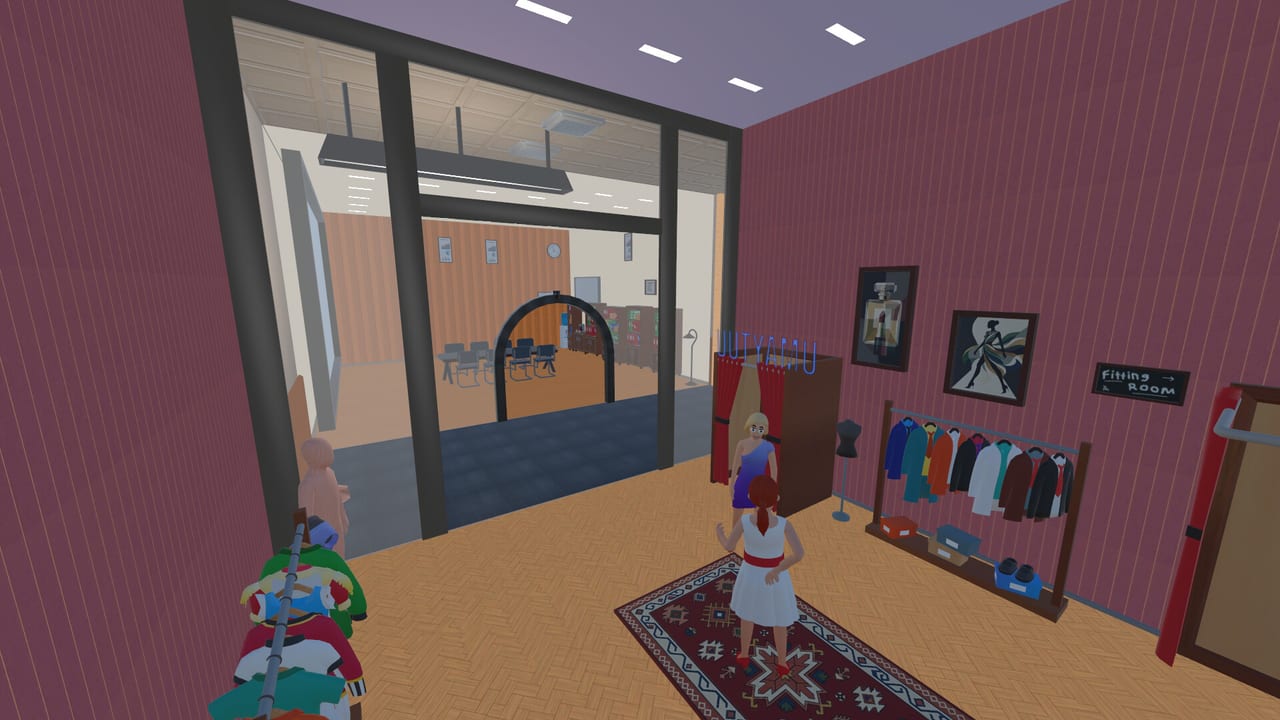
The Store Overhaul changed the rules of Mall Rivals in one quiet sentence: attractiveness, cleanliness, and variety now drive customer count. That means your Fashion shop with naked racks and a dusty floor was not just ugly — it was losing sales before a rival even moved in. This page covers the interior systems that the Overhaul turned into stats, how Workshop textures plug into those numbers, and why mannequins are not vanity.
If you came here to learn grab, walk, and price, start at getting started. This page assumes you have a unit, a shelf, and a reason to care what the shop looks like.
Why the Overhaul made decor a stat
May 2026 rebuilt Fashion, Beauty, and Books from layout ghosts into real stores. The community spent months watching videos where a half-empty clothiers with no mannequin looked fine in a clip. Overhaul added the numbers: a shop that looks closed draws fewer customers, even when the price is right. The demo-era lesson that price is everything is now incomplete. A +10% Sports shop with a filthy entrance can lose to a market-rate Electronics unit with clean glass.
What drives attractiveness
Presentation furniture. Mannequins, display tables, and window pieces signal this store is active. A naked rack with product still on it reads as unsold inventory, not a shopping destination. Community footage shows players treating the tablet’s furniture tab as decoration — it is not. It is the difference between a store and a warehouse with a price tag.
Cleanliness. Trash, spills, and general mess reduce the attractiveness score after Overhaul. Cleaning staff are not a luxury for busy stores; they protect the number that pulls people in. A Butcher or Perfume shop without a cleaner will actively disgust customers, not just look untidy.
Variety. Stock diversity matters. A Sports shop with one soccer ball and empty shelf space scores lower than a well-stocked rack with multiple SKUs. The pricing guide covers how variety also feeds the daily demand graph; this page covers how it looks.
Lighting and materials. Comeback rebuilt the mall interior with new lighting, materials, and layout options. A shop near a bright atrium entrance has natural foot traffic; a shop in a dim corner needs compensating attractiveness work.
Furniture tab and what it actually does
Tablet then Furniture tab. Items include mannequins which boost attractiveness for Fashion, Beauty and high-end types; display tables for product staging useful for Electronics and Home Goods; racks as additional shelf space distinct from main sale shelving; store monitor as in-store TV showing mall news and ShameTV segments; and wall-mounted signage for corridor visibility that helps attract wanderers.
Furniture costs money and space. A huge display table in a tiny storage room is a restock nightmare. Budget square metres the same way you budget wholesale trips.
Workshop textures and the attractiveness connection
Steam Workshop ships texture packs: wallpapers, floor materials, flag sets, and meme decorations. A good texture pack does not add a cashier — it raises the this is a real store attractiveness score. The distinction matters: texture pack changes how existing furniture looks; furniture is what actually drives the attractiveness stat; cashier determines whether anyone can complete a purchase.
A beautiful empty shop still looks closed. See employees. A staffed shop with default textures still functions. See Workshop. Best practice: furniture first, textures second.
Mannequins and Fashion-specific layout
Fashion stores after Overhaul need more than boxes on shelves. Mannequins display product in a way that walls of folded clothing do not. Community examples show one mannequin near the entrance dressed in the most profitable SKU, racks organized by type so customers self-navigate, clear walking paths since mannequins blocking the aisle make the shop feel cramped, and a clean mirror surface even if just a wall with good lighting.
Attractiveness from Fashion layout compounds with adjacent Beauty and Perfume shops. A shared corridor with consistent presentation energy draws more foot traffic than two competing aesthetics.
Placement and snap mode
Hold Alt to enter snap mode when placing furniture. Auto-snaps to walls and nearby objects. The original demo-era furniture system rewarded careful placement; Comeback and 1.0 kept it. A crooked mannequin row is not a bug — it is a statement about how seriously you take the shop.
Snap angle is configurable in Settings. If the default 15-degree increments feel wrong, raise or lower it before you spend budget on display pieces you cannot align.
Practical interior checklist
- Hire a cleaner before you buy a mannequin.
- Place presentation furniture (mannequins, tables) before decorative textures.
- Use snap mode (Alt) for clean rows.
- Budget space: a display table in a 4x4 storage is a trip hazard, not an attractiveness boost.
- Check store statistics after redecorating. If customer count drops, something in the layout broke.
- Adjacent complementary shops share foot traffic. A dim Perfume next to a bright Fashion benefits both.
Common interior mistakes
Buying Workshop textures before placing functional furniture. Skipping a cleaner because the shop is small. Placing mannequins in walkways. Using Fashion-layout advice on a Butcher or Pharmacy which have different customer expectations. Treating Workshop as a shortcut to attractiveness instead of a layer on top of functional layout.
Attractiveness is a multiplier on everything else. A shop with perfect prices and no presentation is a store that fewer people walk into. Fix the basics first, then decorate.
Frequently Asked Questions
Quick answers players actually search for in Mall Rivals.
Does store decor actually affect sales in Mall Rivals?
Yes. The Store Overhaul tied attractiveness, cleanliness, and variety to customer count. An empty-looking shop loses foot traffic even at the right price.
Should I buy mannequins or textures first?
Furniture first. Mannequins and display tables drive the attractiveness stat; textures are a visual layer on top.
How do I place furniture neatly?
Hold Alt for snap mode. Auto-aligns to walls and nearby objects with configurable snap angles in Settings.
Does a cleaner matter in a small shop?
Yes. Cleanliness is an Overhaul stat. A dirty small shop loses attractiveness the same way a large one does.
Can Workshop textures replace furniture?
No. Textures change how furniture looks; they do not add mannequins or tables. Functional layout first, textures second.